

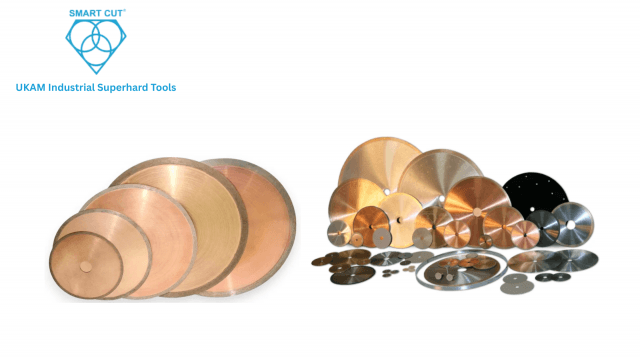
When searching for precision cutting solutions, Blades for Buehler equipment represents the gold standard in laboratory and industrial applications. These specialized cutting tools deliver exceptional performance across various materials, from metallographic samples to advanced ceramics. Whether you're working in materials science, quality control, or research applications, selecting the right Blades for Buehler systems ensures optimal results and consistent precision in your cutting operations.
Understanding Buehler Blade Technology
Buehler blades incorporate advanced diamond technology that sets them apart from conventional cutting tools. The precision engineering behind these blades ensures clean cuts with minimal material loss, making them essential for applications where sample integrity matters most.
Diamond Matrix Construction
The foundation of superior Buehler blade performance lies in their diamond matrix construction. This technology combines industrial-grade diamonds with carefully formulated bonding materials, creating cutting edges that maintain sharpness throughout extended use cycles.
Professional laboratories worldwide rely on this construction method because it delivers consistent results across diverse material types. The diamond particles are strategically distributed throughout the blade matrix, ensuring continuous cutting performance as the blade wears naturally during operation.
Specialized Bonding Systems
Different applications require specific bonding formulations. Soft bonds work effectively with hard materials, while harder bonds excel when cutting softer substances. This relationship ensures optimal cutting efficiency and extends blade life significantly.
Applications and Material Compatibility
Buehler blades excel across numerous applications, demonstrating versatility that makes them valuable investments for diverse cutting requirements.
Metallographic Sample Preparation
Metallographic analysis demands precise sample preparation, and Buehler blades deliver the accuracy required for reliable results. These blades cut through various metals without introducing artifacts that could compromise analysis quality.
The controlled cutting action minimizes heat generation, preventing microstructural changes that might affect subsequent examination. This characteristic proves particularly important when preparing samples for electron microscopy or other advanced analytical techniques.
Ceramic and Advanced Materials
Modern materials science often involves cutting advanced ceramics, composites, and other challenging substances. Buehler blades handle these applications effectively, maintaining cutting precision even with the most demanding materials.
For specialized applications like meteorite analysis, researchers often complement their cutting setup with tools like Diamond Drill for Meteorites, creating comprehensive preparation systems that ensure sample integrity throughout the entire process.
Blade Selection Criteria
Choosing the appropriate Buehler blade requires understanding several key factors that influence cutting performance and blade longevity.
Material Hardness Considerations
Material hardness directly impacts blade selection decisions. Harder materials generally require softer bond formulations, while softer materials work better with harder bonds. This inverse relationship maximizes cutting efficiency and blade life.
Cutting Speed Optimization
Optimal cutting speed varies based on material type, blade specifications, and desired finish quality. Higher speeds increase productivity but may compromise surface finish, while slower speeds enhance precision at the cost of throughput.
Coolant Requirements
Most Buehler blade applications benefit from appropriate coolant systems. Coolants reduce heat buildup, extend blade life, and improve cut quality by removing debris from the cutting zone.
Maintenance and Care Protocols
Proper maintenance significantly extends Buehler blade performance and ensures consistent cutting quality throughout its operational life.
Regular Inspection Procedures
Visual inspection helps identify wear patterns, damage, or contamination that might affect cutting performance. Regular checks allow users to address issues before they compromise sample quality or blade integrity.
Cleaning Protocols
Contamination from cutting debris or coolant residue can reduce blade effectiveness. Appropriate cleaning procedures remove these contaminants while preserving the blade's cutting characteristics.
Storage Considerations
Proper storage protects blades from damage and contamination when not in use. Climate-controlled environments prevent corrosion and maintain blade specifications over extended periods.
Advanced Cutting Techniques
Maximizing Buehler blade performance often involves implementing advanced cutting techniques that optimize results for specific applications.
Feed Rate Optimization
Controlling feed rates allows users to balance cutting speed with surface quality requirements. Slower feed rates generally produce superior surface finishes, while faster rates increase productivity.
Multi-Stage Cutting Approaches
Complex samples sometimes benefit from multi-stage cutting approaches that use different blade types or cutting parameters for various portions of the operation. This strategy optimizes results for samples with varying material properties.
Integration with Finishing Processes
Cutting operations often represent just one step in comprehensive sample preparation workflows. When combined with processes like final polishing suspension treatments, Buehler blades contribute to complete preparation systems that deliver research-quality results.
Quality Assurance and Performance Monitoring
Maintaining consistent cutting quality requires systematic approaches to performance monitoring and quality assurance.
Performance Metrics
Key performance indicators include cutting speed, surface finish quality, blade life, and dimensional accuracy. Tracking these metrics helps optimize cutting parameters and identify improvement opportunities.
Documentation Requirements
Many applications require detailed documentation of cutting procedures and parameters. Proper record-keeping supports quality systems and enables process optimization over time.
Troubleshooting Common Issues
Understanding common cutting issues and their solutions helps maintain consistent performance. Problems like excessive wear, poor surface finish, or dimensional inaccuracy typically have identifiable causes and established solutions.
Cost-Effectiveness Analysis
Evaluating Buehler blade cost-effectiveness involves considering factors beyond the initial purchase price, including productivity, blade life, and result quality.
Total Cost of Ownership
Comprehensive cost analysis includes blade purchase price, operating costs, productivity considerations, and quality factors. Higher-quality blades often provide superior total value despite higher initial costs.
Productivity Considerations
Faster cutting speeds and longer blade life directly impact laboratory productivity. These factors often justify premium blade costs through improved operational efficiency.
Quality Impact Assessment
Superior cutting quality reduces rework requirements and improves analytical reliability. These benefits provide significant value in research and quality control applications.
Future Developments and Innovations
Ongoing developments in blade technology continue expanding capabilities and improving performance across diverse applications.
Advanced Diamond Technologies
Emerging diamond synthesis techniques and bonding innovations promise enhanced performance characteristics and expanded application ranges for future blade generations.
Smart Cutting Systems
Integration of sensors and monitoring systems enables real-time performance optimization and predictive maintenance capabilities that maximize blade utilization.
Frequently Asked Questions
What makes Buehler blades different from standard cutting blades?
Buehler blades feature precision diamond matrix construction and specialized bonding systems optimized for laboratory and industrial applications.
How do I select the right blade for my specific material?
Consider material hardness, required surface finish, cutting speed requirements, and sample size when selecting appropriate blade specifications.
What maintenance is required for optimal blade performance?
Regular inspection, proper cleaning, appropriate storage, and adherence to recommended cutting parameters ensure optimal performance.
Can Buehler blades cut multiple material types?
Yes, different blade formulations accommodate various materials, though optimal results require matching blade specifications to material characteristics.
How long do Buehler blades typically last?
Blade life varies based on material type, cutting parameters, maintenance practices, and application requirements.
What safety considerations apply when using Buehler blades?
Follow manufacturer safety guidelines, use appropriate personal protection equipment, and ensure proper machine guarding and ventilation.
Are there specific coolants recommended for Buehler blade applications?
Manufacturer recommendations specify appropriate coolants for different blade types and material combinations.
How can I optimize cutting parameters for best results?
Start with manufacturer recommendations and adjust based on specific material characteristics and quality requirements.
What factors affect blade cost-effectiveness?
When evaluating cost-effectiveness, consider blade life, cutting speed, quality requirements, and total operational costs.
Can damaged blades be repaired or reconditioned?
Diamond blades cannot generally be effectively repaired, making proper use and maintenance essential for maximizing blade life.